How we work

A clear process.
From first question
to working system.

You bring the operational problem. Together, we define what needs to change, build the agreed solution and make sure your team understands how to use it.

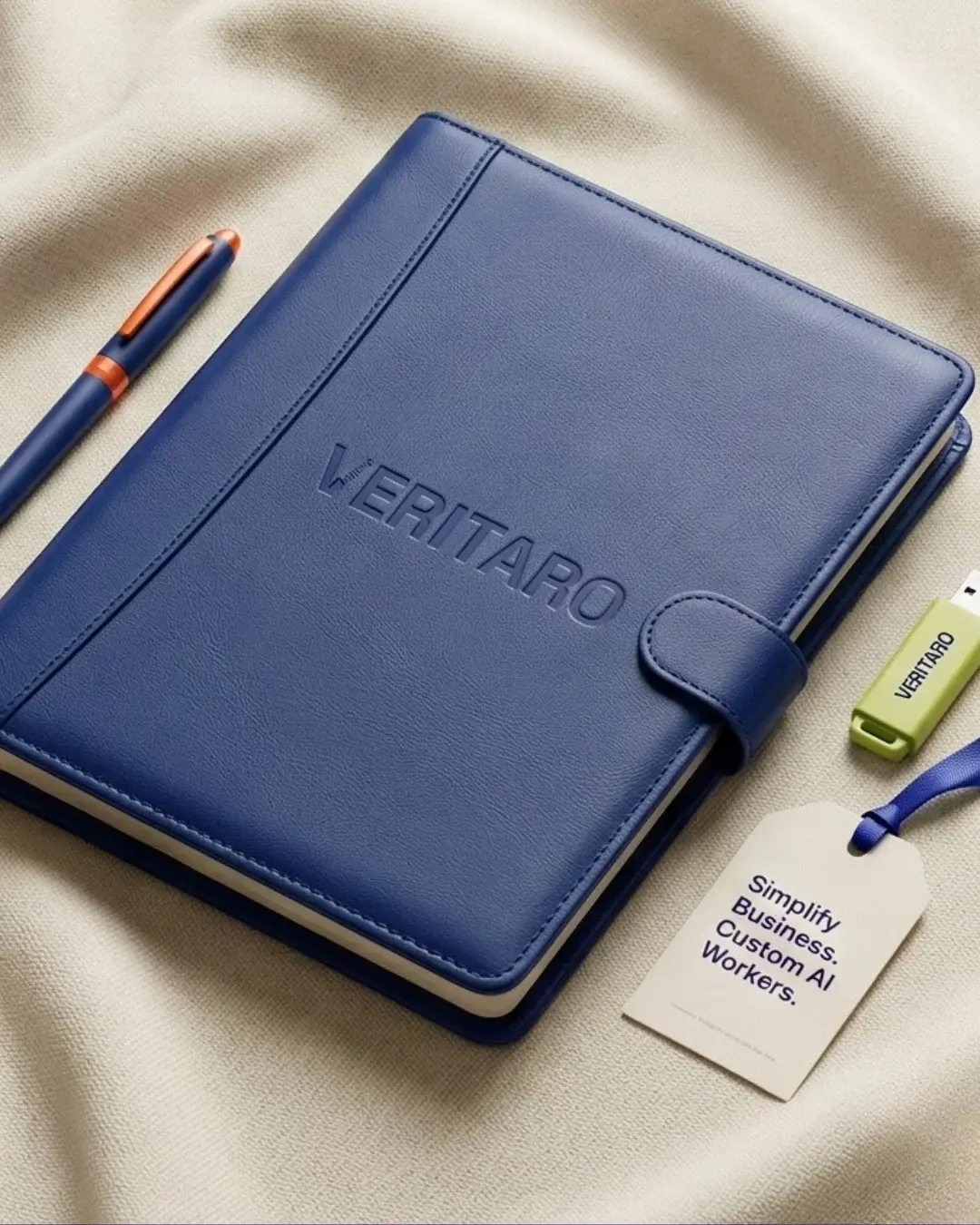
Veritaro notebook and stationery representing project planningUNDERSTAND. PLAN. BUILD. HAND OVER.
Before anything is built
Start with a problem
you can describe.

You do not need to know
which system you need.

“We keep missing follow-ups.” “Nobody can see which jobs are finished.” “We enter the same information in three places.” These are useful starting points.

The first step is to understand the work, the people involved and what a better result would look like. We can then decide whether a focused project or an initial operations review makes sense.

The project journey

Know what happens.
Know what comes next.

Gerhard leads the project directly. The depth of each stage depends on the work, but the approach stays consistent: understand, agree, implement, test and hand over.

01

Tell us where
work gets stuck.

Use the project questionnaire to describe your business, current tools, main challenge and desired outcome. Share any timing or budget constraints you already know.

Next step

We review the enquiry and come back with questions or a suggested conversation to establish whether the project is a fit.

02

Understand the
current process.

We look at how the work actually happens: who does what, where information moves, which tools are used and where delays or repeated tasks arise.

If the problem needs a deeper investigation, we can scope an Operations & Systems Review before planning implementation.

What becomes clearer

The problem to solve, the people involved, key dependencies and the outcome the business needs.

03

Agree the scope
and responsibilities.

Before implementation, we agree on the deliverables, responsibilities, proposed timing and pricing. We also identify required access, third-party tools and any specialist input.

Your decision point

You can review what is included, what is outside the scope and what the project needs from your team before proceeding.

04

Design and build
the agreed solution.

We map the future process and implement the agreed changes. Depending on the project, this may include system configuration, automation, reporting, document structures or SOPs.

Existing tools are retained where they make sense. Review points give your team opportunities to clarify how the solution needs to work.

What takes shape

A working version of the agreed system or process, ready for testing and feedback.

05

Test against
real working scenarios.

We check the normal workflow, handovers and relevant exceptions. Your team's input helps confirm that the result fits the work and that responsibilities are understood.

Before handover

Issues within the agreed scope are addressed, remaining dependencies are identified and readiness for use is reviewed with you.

06

Document,
explain and hand over.

We provide the agreed documentation and walk the relevant people through the result. The handover makes clear how to use the system, who owns which tasks and what needs ongoing attention.

What you take ownership of

The agreed deliverables, supporting instructions and clearly assigned responsibilities. Further support or changes are agreed separately.

Your part in the project

Good input makes
better implementation.

You do not have to do the technical work. We do need access to the right people, useful information and timely decisions to keep the project moving.

01 / A clear contact

Someone who can
coordinate decisions.

A person who understands the business, can involve the right team members and can confirm priorities or arrange approvals.

02 / Real examples

Show us how
the work happens.

Examples of tasks, documents and existing processes help us understand the problem. Access and document sharing are agreed when needed.

03 / Team feedback

Time to review
and test together.

The people who will use the result need an opportunity to check it, ask questions and understand their responsibilities.

Keeping expectations clear

A project that stays
understandable.

The scope is our shared reference for the work. When a requirement or dependency changes, we discuss what that means for delivery.

See the types of projects we take on ↗
How are timelines decided?

Timing is agreed after the scope and dependencies are understood. System access, available information, feedback and third-party input can affect the schedule.

What if we need more work added?

We assess the requested change and discuss its effect on scope, pricing and timing before adding it to the project.

What about software subscriptions?

Any required licences, integrations or ongoing platform costs should be identified during scoping. They are considered separately from the implementation work unless your proposal states otherwise.

How do you handle access and information?

We agree on the access and information needed for the project. Please do not send passwords, identity documents, bank details or confidential client records through the enquiry form. Appropriate sharing arrangements can be discussed later.

What happens after handover?

The handover explains the agreed responsibilities and documentation. Any ongoing maintenance, support or further development is discussed and agreed separately.

Specialist input

The right people
remain involved.

Your accountant, tax practitioner, attorney and specialist IT provider remain responsible for their professional areas. We coordinate the operational pieces with them where their input is needed.

AI-assisted workflows include review steps appropriate to the task. The aim is to support clear decisions and reliable processes.

Take the first step

Start with the problem.
We will work from there.

The questionnaire helps us understand your business before the first conversation. Share what you know, and leave the optional details blank if you are still exploring.

hello@veritaro.co.za